Leaving the hospital should be a moment of relief. It signals that the acute crisis has passed and the journey toward recovery is beginning. However, for many individuals, the walk from the hospital doors to the curb is filled with more anxiety than hope. Without a solid foundation, a safe, stable place to go and a clear plan to follow, the risk of ending up right back in a hospital bed is incredibly high.
At Hosanna’s Haven, we see this transition as a critical phase that demands more than just a folder full of paperwork. It requires proactive measures, clear communication, and a physical environment that supports healing. A "safe discharge" isn't just about the medical clearance to leave; it’s about ensuring the next steps are paved with the resources necessary for long-term stability.
The Pillars of a Secure Hospital Discharge
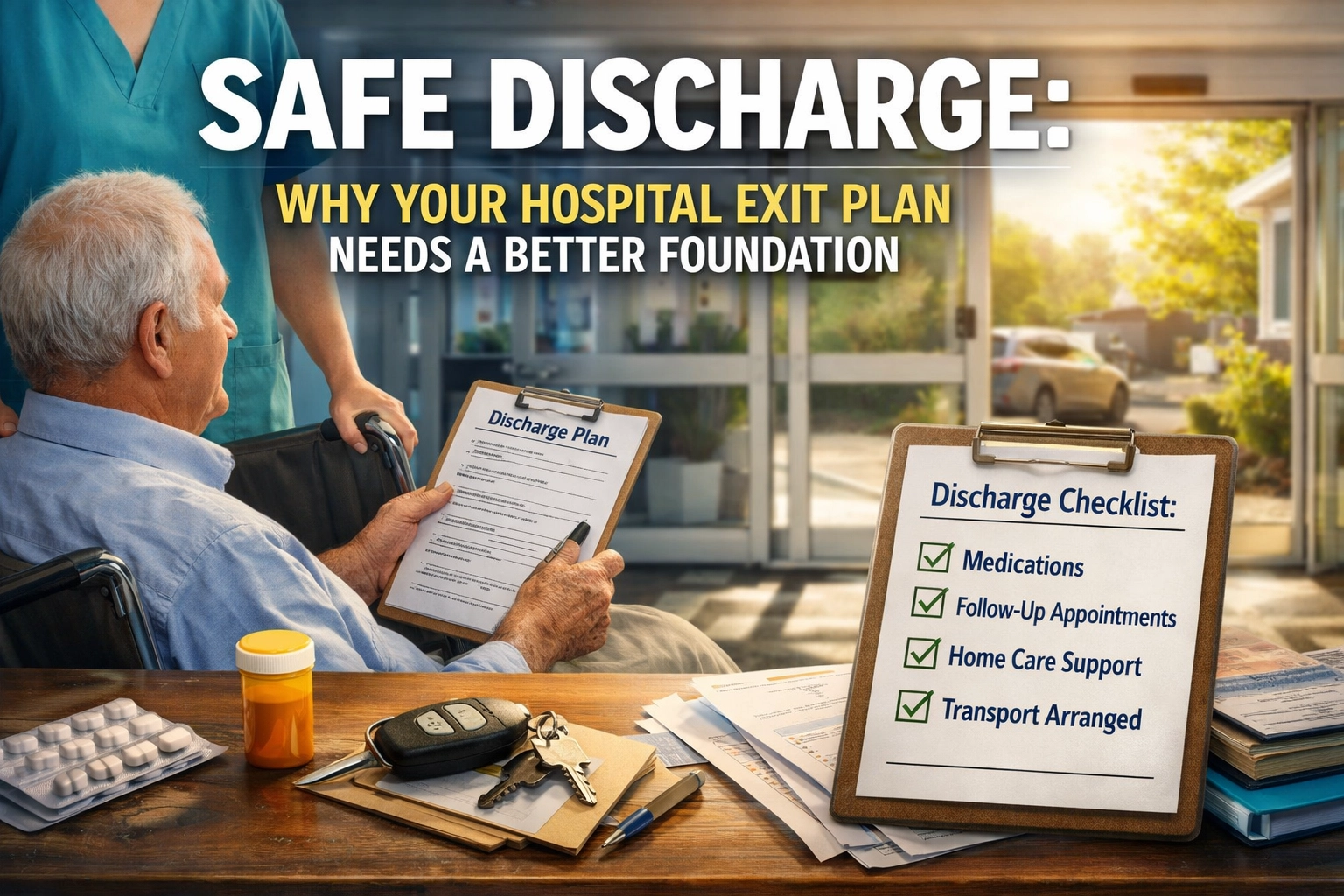
Effective discharge planning governs the space between clinical care and independent living. When a patient is discharged, the hospital’s primary goal is to ensure they are stable enough to leave. But "stable enough to leave" is not the same as "prepared to thrive." A secure plan must be built on three specific principles:
- Detailed Medication Management: It is easy to get overwhelmed by new prescriptions. A safe plan ensures that dosages, timing, and potential side effects are clearly conveyed to the patient and their support network. Mistakes here are a leading cause of readmission.
- Scheduled Follow-Up Care: Recovery doesn't happen in a vacuum. Coordinating timely visits with primary care doctors or specialists to monitor progress is non-negotiable.
- Comprehensive Patient Education: Patients need to know what "red flags" look like. If they don't understand the warning signs of a setback, they cannot act proactively.
For residents in areas like Austell, GA, connecting with local resources that offer transitional support is a vital piece of this puzzle. When these pillars are in place, the risk of complications drops significantly.

The Post-Discharge Dilemma: When "Home" Isn't Safe
The biggest flaw in many discharge plans is the assumption that the patient has a stable, supportive environment to return to. For many, this is not the case. Leaving the hospital without a secure living arrangement presents challenges that can derail recovery before it even starts.
When a person returns to an environment lacking stability, or worse, to the streets, the physiological and mental stress is immense. Stress hinders physical healing. It weakens the immune system and clouds judgment. This is the "Post-Discharge Dilemma": the hospital has done its job of treating the acute issue, but the environment is working against the cure.
Key Challenges Include:
- Housing Insecurity: The immediate need for safe shelter is often the biggest hurdle. Without a door that locks and a bed that is clean, recovery is nearly impossible.
- Follow-Up Logistics: If you don’t have a set location, how do you receive mail about appointments? How do you maintain the hygiene necessary to prevent infection?
- Isolation: The lack of a community or a support system leads to "recovery fatigue," where individuals simply give up on their health goals because the burden is too heavy to carry alone.
In regions like Austell, the local infrastructure must be bolstered by organizations that understand these gaps. Who we serve often includes those caught in this exact dilemma, individuals who need more than a shelter, but don't necessarily need a nursing home.
Proactive Strategies for a Seamless Transition
Modern discharge processes are moving toward a more holistic "roadmap" approach. It’s no longer enough to hand over a list of instructions at 10:00 AM and expect a patient to be moved out by noon. We believe in a more integrated strategy.
Care Coordination: This involves seamless collaboration between hospital social workers and community providers. It’s about passing the baton, not just dropping it.
Localized Support: Leveraging resources specific to the patient’s community, like those found in Austell, GA, ensures that the help is accessible.
Tailored Education: Instructions should be simplified. High-level medical jargon doesn't help a patient at 2:00 AM when they are feeling dizzy. They need clear, actionable steps.
At Hosanna’s Haven, we advocate for these proactive measures because we see the difference they make in our residents' lives. You can learn more about how we structure our approach on our program page.

Hosanna’s Haven: A Bridge to Restoration
We often describe Hosanna’s Haven as a bridge. We provide supportive housing, a term we prefer over "transitional housing" because we don't want our residents to feel rushed. Restoration takes time. Dignity takes time.
It is important to understand our role in the healthcare continuum. Hosanna’s Haven is an unlicensed, non-medical supportive housing facility. We do not provide clinical care, such as nursing, medication administration, or physical therapy, ourselves. However, we provide the stable "foundation" that allows medical care to be effective.
We coordinate wraparound support that addresses the person's needs beyond the physical. We also build active, working relationships with individual case managers. We welcome scheduled communication and coordinated home visits from external providers (for example: CNA support, visiting nurses, physical therapy, and other approved home health services). Privacy note: we follow privacy expectations in the home. Do not send protected health information by unsecured email.
We provide transportation support for residents to help reduce missed follow-ups and breakdowns in the discharge plan. Transportation is coordinated in advance. Availability varies. Ask during intake.
We run a weekly talk session called the Companionship Accountability Circle. This is a structured check-in focused on routines, goals, and accountability. It is not therapy. It is not clinical counseling. It is a practical support layer.
We also maintain a community pantry. This is a safety net for residents who run low on monthly SNAP or SSDI funds. The purpose is simple: no one goes hungry while they are stabilizing.
These operational supports—transportation coordination, active case manager collaboration, structured weekly check-ins, and pantry access—are practical differences that set Hosanna’s Haven apart from most other unlicensed supportive homes.
Our goal is stability and restoration. We want our residents to regain their independence, but we know they can’t do that if they are worried about where they will sleep tonight.
Your Safety After Discharge: Questions Answered
We know that navigating the healthcare system can be confusing. Here are some of the most common questions we hear regarding safe transitions:
What support options are available post-discharge?
Individuals can benefit from community support services including supportive housing, counseling, and case management. These services are designed to bridge the gap between the hospital and full independence.
How do I confirm my discharge plan is safe?
Before you leave, verify that you have written instructions for all medications, a scheduled date for your next doctor’s visit, and a clear understanding of which symptoms require a call to the doctor or a return to the ER.
What practical steps can I take at home?
Set up a routine. Use a pillbox for medications and keep a calendar for appointments. If possible, connect with a community center or a support group to help manage the emotional toll of recovery.
How does local community support enhance recovery?
In Austell, GA, and surrounding areas, local agencies work with hospitals to ensure no one falls through the cracks. These agencies provide the "wraparound" support, like housing and navigation, that hospitals aren't equipped to offer.
Can these services help reduce readmission rates?
Absolutely. By addressing housing, nutrition, and follow-up care early, the common reasons for readmission are mitigated.

Concluding Insights: Building a Resilient Future
Safe discharge planning is the first step toward a resilient future. When we prioritize a secure foundation, we aren't just preventing a return trip to the hospital; we are investing in a person's long-term well-being and the stability of our entire community.
If you are a healthcare provider looking to partner with a stable environment for your patients, we invite you to visit our referral partners page. If you or a loved one are navigating this process and need a place that prioritizes dignity and restoration, please contact us.
Every small step toward stability is a victory. Let’s make sure those steps are taken on a solid foundation.
Hosanna's Haven: Stability, Dignity, Restoration.
Learn more about us | View our Sitemap