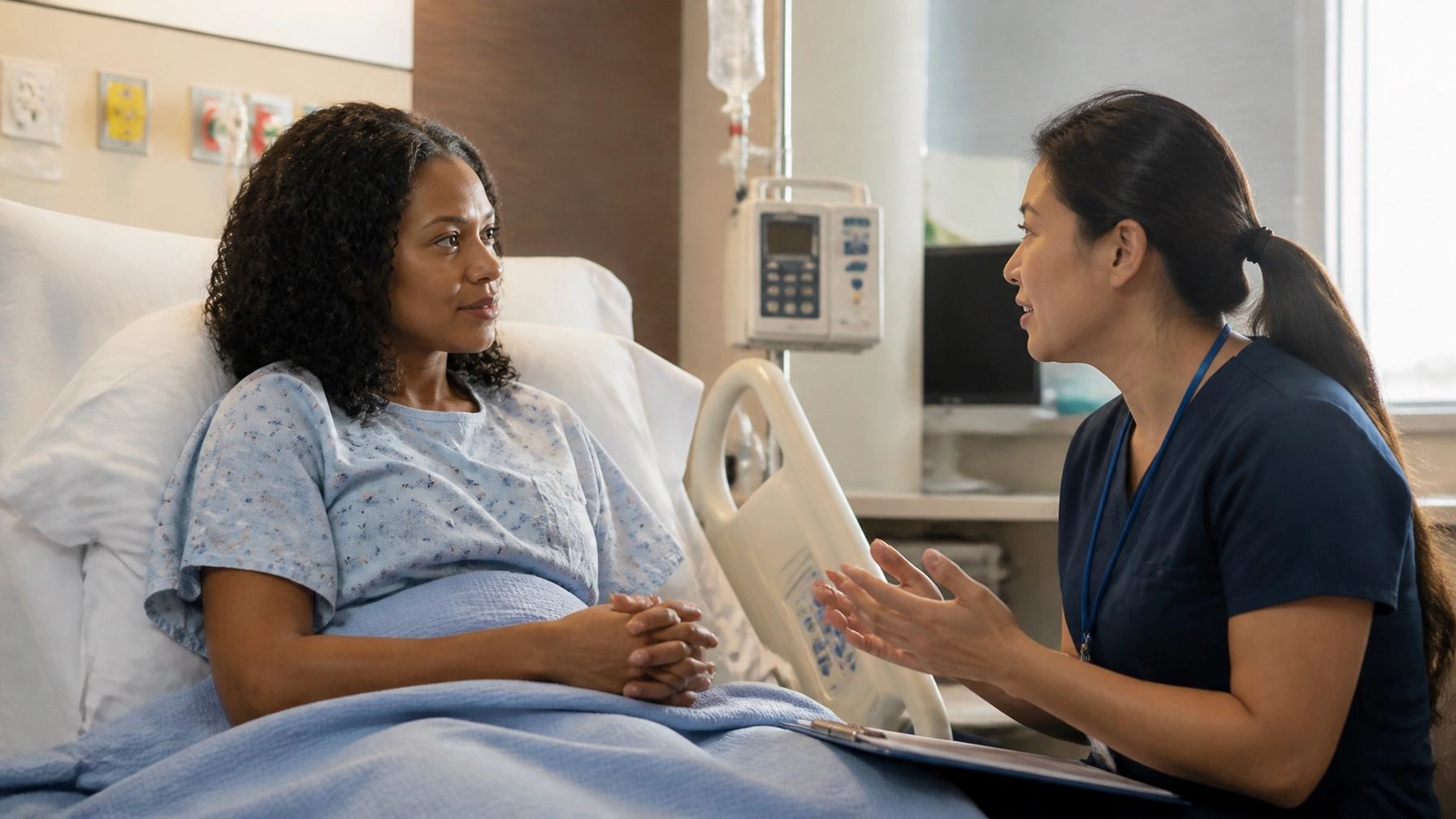
The journey from an acute hospital stay back to community life presents critical vulnerabilities for adults navigating complex health and life transitions. Examine the revolving door of emergency medical care, repeated readmissions, and housing instability. Understand how Permanent Supportive Housing interrupts this cycle through structured stability, dignity, and forward progress.
The Reality of Hospital-to-Homelessness Discharges
Hospitals serve as emergency stabilizing environments, but acute medical care cannot substitute for stable living conditions. When patients leave emergency rooms or inpatient units without secure housing, recovery stalls immediately.

Consider the clinical and logistical breakdown:
- Acute medical treatment stabilizes immediate physiological crises.
- Unstable housing or street discharge immediately reintroduces environmental stressors.
- Untreated conditions worsen rapidly without a secure sanctuary for rest and medication management.
- Emergency readmission follows within days or weeks, perpetuating a costly and exhausting loop.
Review hospital discharge procedures. Demand housing-focused coordination before releasing recovering individuals into uncertainty.
Root Causes: Medical Debt, Chronic Stress, and Housing Instability
Medical crises rarely occur in a vacuum. Underlying financial strain, accumulated medical debt, and chronic health challenges frequently collide to erode housing security.

Evaluate the contributing factors:
- High medical bills deplete personal savings and disrupt rent payments.
- Chronic physical or mental health conditions complicate ongoing employment.
- Loss of stable shelter amplifies physiological stress, accelerating disease progression.
Recognize these structural barriers. Implement proactive financial and housing planning long before discharge day arrives.
The Role of Permanent Supportive Housing as a Stable Bridge
Standard shelters offer temporary relief but fail to provide the long-term foundation required for sustained wellness. Permanent Supportive Housing establishes a permanent anchor for individuals rebuilding their lives.

Identify the core elements of Permanent Supportive Housing:
- Secure, long-term accommodation with no arbitrary time limits or forced deadlines.
- Comprehensive wraparound services addressing daily living needs.
- Professional staff dedicated to fostering accountability, restoration, and independence.
- Seamless collaboration between housing providers, external medical professionals, and case managers.
Prioritize permanent stability over temporary fixes. Invest in environments designed for long-term health and personal growth.
Hosanna's Haven: Permanent Support, Dignity, and Restoration
At Hosanna's Haven, we provide professional Permanent Supportive Housing tailored for adults navigating life transitions. We operate as an unlicensed supportive housing facility offering premium wraparound services designed to match higher standards of comfort, safety, and operational excellence.

Review our operational model and dedicated amenities:
- Fully Furnished Rooms: Move in immediately with fully equipped, comfortable living spaces designed to restore personal dignity.
- On-Site Community Pantry: Access our fully stocked pantry when SNAP or SSDI benefits fluctuate, ensuring no resident goes hungry.
- Companionship Accountability Circle: Participate in our weekly structured talk sessions focused on mutual accountability, emotional stability, and forward progress.
- Transportation Services: Rely on scheduled transportation support for medical appointments, errands, and community integration.
- Open Medical Access: Residents with diverse medical conditions are fully accepted. We welcome external medical providers: including nurses and home health aides: directly into our home to deliver ongoing care.

Note our clear operational standards:
- We maintain an unlicensed, structured environment rooted in accountability and mutual respect.
- There are no time limits on residency. Stay as long as necessary to achieve complete stability.
- Pricing reflects our high-value wraparound services, premium amenities, and robust operational support.
Collaborative Care: Working Hand-in-Hand with Case Managers
Successful community re-integration requires active collaboration between housing staff, social workers, and medical providers.

Execute coordinated care plans by following these steps:
- Connect residents directly with dedicated individual case managers upon arrival.
- Establish open communication channels with hospital discharge planners and outpatient clinics.
- Welcome home health agencies and visiting nurses to administer specialized clinical care on-site.
Partner with our team to ensure every resident receives synchronized medical and housing support.
Navigating Life Transitions With Purpose and Confidence
Stepping away from the hospital revolving door requires deliberate planning, structured accountability, and a supportive community.

Implement these daily practices for sustained recovery:
- Adhere strictly to medication schedules and follow-up care instructions provided by your clinical team.
- Engage actively in weekly accountability circles and community meetings.
- Communicate openly with your case manager regarding evolving health or housing needs.
Embrace structure as the foundation of personal freedom. Move forward with confidence, purpose, and dignity.
Operational Guidelines and Referral Procedures
Access to Hosanna's Haven is managed through systematic referral channels and scheduled communication to ensure a calm, secure environment for all residents.

Review our access protocols:
- Admission occurs by professional referral and scheduled communication only.
- Case workers, social workers, and prospective residents must submit documentation prior to intake coordination.
- Unscheduled walk-ins are not permitted. Protect the privacy, security, and peace of our community.

Drop us a line! Contact our administrative office to discuss referral criteria, scheduling, and partnership opportunities.